

Microwave ovens began their history in 1945, when it was accidentally discovered that a magnetron melted a chocolate bar. Upon seeing this, engineer Percy Spencer decided to test it on a few more things to confirm its rapid cooking capabilities.
The first model measured almost 1.7 meters and weighed 80 kg, but it wasn't until the 1960s and 70s that smaller, more affordable models arrived on the market. They became indispensable in our kitchens, and now that technology is evolving at breakneck speed, they are beginning to lose relevance.
Inverter Technology (Smart Inverter)
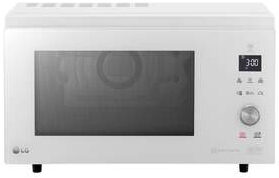
Unlike traditional microwaves that cycle on and off to regulate temperature, inverter technology provides a constant flow of energy. This allows for gentler, more precise, and more even cooking, better preserving the texture and flavor of food.
Microwave without turntable (ceramic base)
These models do away with the classic glass plate. They use a flat ceramic base that distributes heat more evenly throughout the interior.
In addition to improving space utilization (rectangular containers can be used), they are much easier to clean.
Sensor-guided cooking and Artificial Intelligence
The new microwaves incorporate advanced sensors that detect the humidity and temperature of the food, automatically adjusting the cooking time and power.
Some brands integrate Artificial Intelligence to recognize what food has been introduced and adjust the ideal program.
Hybrid systems and convection (iHexagon)
They combine steam, hot air, and microwave energy technologies simultaneously to cook food much faster than a traditional oven, while maintaining superior quality.
IoT connectivity
Smart microwaves can connect to your home network, allowing you to control them, send recipes from an app, or receive notifications about the cooking status on your phone.
Chef Control and Heat Control
Whirlpool has introduced technologies that allow for the progressive management of different temperature levels, preventing dishes from burning and achieving automated cooking.